Blog
What is Metaverse Retail?
July 26, 2024 / 10+ minute read / By Zoya Naeem
Artificial Intelligence, Digital Marketing, General

Blog
Did you know that traditional retail is undergoing a significant transformation, and the future of shopping lies in the metaverse?
Metaverse retail uses augmented reality (AR), virtual reality (VR), and other technologies to create new shopping experiences. It is a mix of the digital and physical worlds, where you can browse stores, interact with products in a computer-generated environment, and even make purchases from the comfort of your home (or wherever you choose to access the metaverse).
At Celerant, we understand that the retail industry is changing, and it’s changing faster than ever. This is why, today, we will be talking all about metaverse and how metaverse retail is transforming the future of shopping.
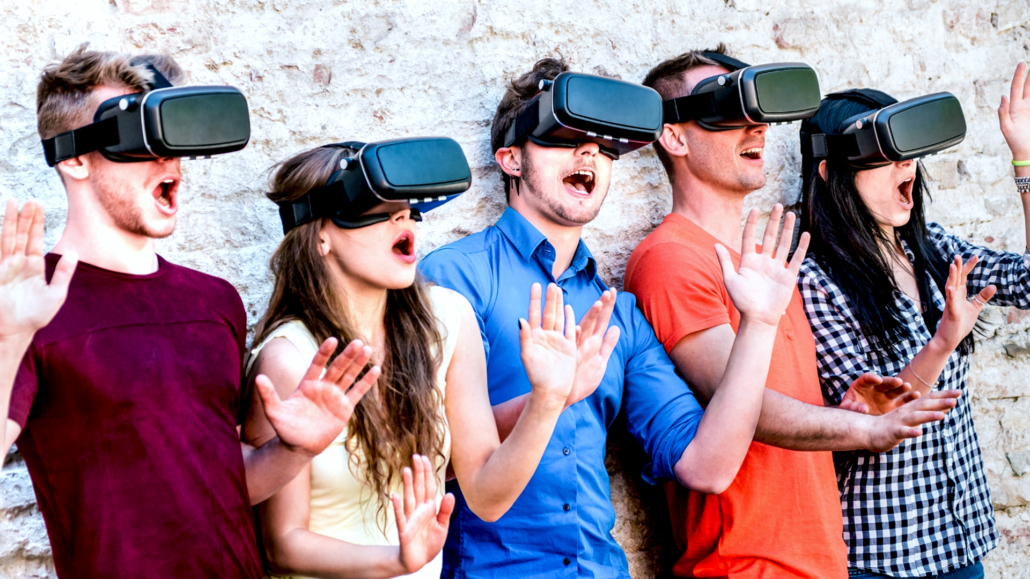
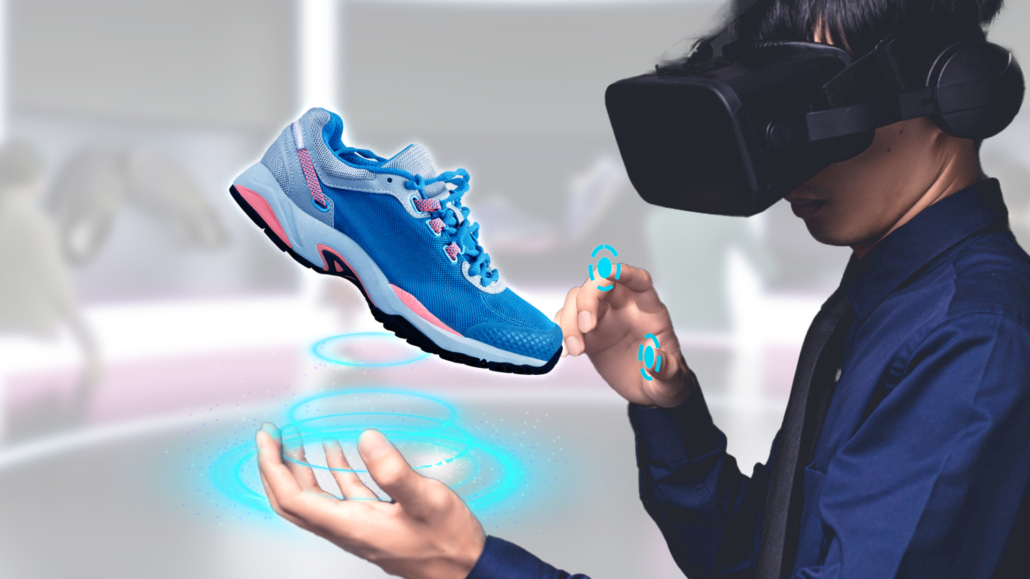
Metaverse retail offers several benefits for both shoppers and retailers. One significant advantage is highly immersive shopping experiences. Users can immerse themselves in virtual environments that mimic physical stores, browse products, try them on virtually, and interact with virtual sales assistants. This can lead to increased brand loyalty and customer satisfaction.
Another advantage is personalized shopping experiences. The metaverse allows retailers to collect rich data on customer behavior and preferences. This data can then be used to personalize the shopping experience, offering targeted recommendations and promotions. For instance, a virtual store might greet you by name, showcase products you’ve shown interest in before, or even recommend outfits based on your avatar.
Metaverse retail also offers accessibility and convenience for consumers. This means that your consumers can shop from anywhere in the world at any time. No more waiting in lines or driving to crowded malls. This is especially beneficial for people with limited mobility or those who live in remote locations, leading to more sales and better customer satisfaction.
For retailers, metaverse retail opens up new marketing opportunities. It provides brands a unique platform to connect with customers and create engaging marketing campaigns. As a
retailer, you can host product launches, virtual events, and interactive experiences to generate buzz and excitement around your products.
Metaverse retail relies on a combination of cutting-edge technologies to create that immersive shopping world. Here are some key players:
These are just some of the foundational technologies shaping metaverse retail. As the field continues to develop, we can expect even more innovative solutions to emerge, further blurring the lines between the physical and digital worlds of shopping.

Virtual reality (VR) has come a long way since its early days. The idea of creating immersive digital worlds emerged in the 1960s, but it wasn’t until the 1980s and 90s that technology started to catch up. Initially, VR was mainly used for military and research purposes.
Early consumer VR attempts in the 90s, like the bulky Virtuality arcade machines, didn’t quite hit the mark. They were expensive, had poor graphics, and couldn’t truly immerse users. As a result, VR struggled to gain mainstream popularity.
Fast forward to recent years, and it’s a whole new game. Thanks to giant leaps in hardware and software, VR headsets like those from Oculus, HTC, and Sony offer stunning visuals, accurate tracking, and truly immersive experiences. This newfound power has opened up endless possibilities for VR, including its growing impact on retail and other industries.
You can take inspiration from:
While the potential of metaverse retail is vast and exciting, some significant challenges and hurdles need to be addressed for it to reach its full potential:
| Challenges and Hurdles | What It Means for Retailers |
|---|---|
| Technical Limitations |
|
| User Adaption and Familiarity |
|
| Infrastructure |
|
As younger generations who grew up with technology come of age, they’ll be a major driving force behind metaverse retail. Retailers will need to cater to their preferences and expectations for a more immersive shopping experience.
By integrating AI into business, retailers can lay the groundwork for a smooth transition into the metaverse.