Blog
What Is Retail as a Service (RaaS)?
August 2, 2024 / 10+ minute read / By Zoya Naeem
General, Point of Sale
Blog
Retail as a Service (RaaS) is an innovative approach that is changing the way businesses think about retail.
By blending modern technology and service models with traditional retail methods, RaaS offers retailers a new way to connect with customers. This new model focuses on creating shared spaces where multiple businesses can display their products, providing a more personalized and engaging shopping experience.
To put this in simpler terms, RaaS is a business model in which a company (the RaaS provider) creates and manages a shared retail infrastructure. Other businesses/brands (the tenants) then rent space in this shared location to sell their products or services.
This allows smaller businesses to reach a wider audience without the high costs of setting up their own store. It also creates a more diverse and exciting shopping experience for customers, as they can find a variety of products and services all under one roof.
Unlike traditional retail, which often emphasizes stocking a large volume of products, RaaS prioritizes quality over quantity. It is centered around carefully selecting merchandise that tells a story and resonates with your customers.
Traditional retail usually involves individual businesses operating their own stores, but RaaS encourages multiple brands to share a space, reducing costs and promoting collaboration.
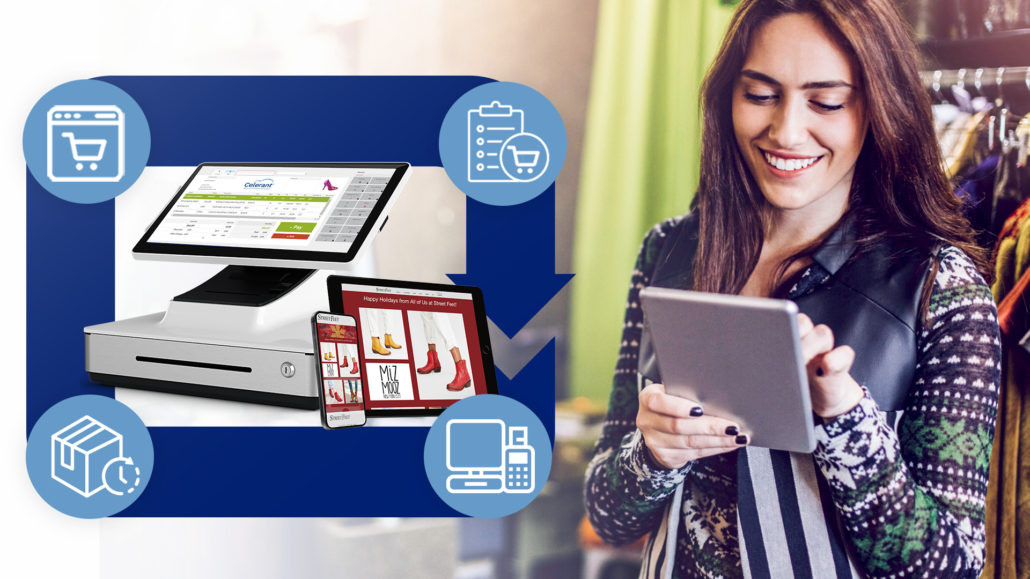
In a traditional retail model, stores might rely heavily on physical locations and in-person interactions. RaaS, on the other hand, integrates advanced technologies like artificial intelligence (AI) and the Internet of Things (IoT) to enhance the shopping experience. These technologies help personalize customer interactions, manage inventory more efficiently, and create a seamless connection between online and in-store shopping.
Retail as a Service (RaaS) brings together several important elements that make it different from traditional retail. These components help create a more connected, efficient, and enjoyable shopping experience for both businesses and customers.
By combining the following five key components, RaaS creates a dynamic and interconnected shopping ecosystem that goes beyond traditional retail boundaries:
Retail technology is the driving force behind RaaS. It seamlessly connects customers, products, and retail spaces. Working in a RaaS model, you can use interactive digital signs to provide product information and robust inventory management systems to keep track of stock levels in real-time, both online and in-store.
AI and data analytics take it a step further, personalizing shopping experiences and predicting trends. This means that as a retailer, you can offer more tailored recommendations and a smoother shopping journey for your customers.
In RaaS, managing logistics and inventory is essential. Since multiple businesses share a common retail space, it’s important to use the space wisely. Just-in-time (JIT) inventory systems and real-time inventory data can help manage stock levels efficiently, reducing overhead costs and ensuring right products are available when customers want them.
One of the primary goals of RaaS is to improve customer experience. This is made possible through personalized interactions and curated product selections that cater to individual preferences and behavior. Operating as a RaaS business, retail environments are designed to be interactive and appealing, ensuring that customers feel valued and understood.
RaaS often involves multiple retailers and service providers working together in a shared space. This collaborative model allows businesses to share resources like staff, technology, and retail space, which can reduce costs and improve customer service. By working together, businesses can create a more vibrant and diverse shopping environment that benefits everyone involved.
Most RaaS models incorporate sustainability into their core operations. This can include promoting products made from upcycled or sustainably sourced materials, using eco-friendly products in the store setup, and deploying energy-efficient technologies. These practices appeal to environmentally conscious consumers and help create a sustainable business model. Which is good for both the planet and the brand’s image.

Retail as a Service (RaaS) offers numerous benefits to different groups within the retail ecosystem. RaaS creates a versatile model that helps a wide range of stakeholders. Here’s a look at who benefits from RaaS and how:
| Type of Business | Benefits of Using RaaS Model |
|---|---|
| Small and Medium-Sized Businesses (SMBs) |
|
| Large scale businesses |
|
Retail as a Service is designed to be flexible and adaptable, making it beneficial for various stakeholders. It not only helps SMBs and large-scale enterprises but also allows consumers to enjoy a more dynamic and personalized shopping experience, with access to unique products and enhanced customer service.
In fact, by understanding how RaaS benefits different groups, businesses can better appreciate the value of this modern retail model and consider how it might align with their overall strategy.
While Retail as a Service (RaaS) offers many advantages, it also comes with its set of challenges that businesses must address to succeed. Understanding these challenges can help you as a retailer better prepare and adapt to this innovative retail model:
| Challenge | Considerations for Retailers |
|---|---|
| Integrations of Technology | Retailers need to invest in reliable technology systems and ensure they are regularly updated and supported. Training staff to use these systems efficiently is also essential but can be time-consuming and expensive. |
| Data Privacy and Security | Retailers must prioritize robust cybersecurity measures to protect customer information. Adhering to data protection regulations and being transparent about data usage can help maintain customer trust. |
| Supply Chain Complexity | Effective supply chain management systems and real-time data analytics are crucial. Retailers must coordinate logistics carefully to avoid inventory discrepancies and ensure smooth operations. |
| Customer Experience Consistency | It is essential to establish clear standards and regular training for all participating vendors and staff. Consistency in service quality helps avoid customer confusion and ensures a positive shopping experience. |
| Scalability and Flexibility | Retailers must remain adaptable to continue meeting customer expectations as they expand. They need to use scalable systems to integrate new locations or services seamlessly with existing operations. |
The future of retail is evolving rapidly, and RaaS has a strong potential to change the dynamics of retail. As technology continues to advance, RaaS offers a unique opportunity for retailers to:
To get started on this journey and ensure your business is equipped with the right tools and technology, consider integrating an all-in-one Retail POS System like Stratus Enterprise that is designed to offer you the flexibility you need to thrive in the world of retail.