Blog
Product Bundle vs Kits in Retail: What’s the Difference and When to Use Each?
December 5, 2025 / 9 minute read / By Zoya Naeem

Blog
Ever find yourself wondering if you should build a kit or a bundle when you want to package products together? You are not alone. Many retailers mix these two up because they look similar on the sales floor, but behave very differently in the back office.
When kits or product bundles are used the right way, they encourage shoppers to buy more in a single transaction. That means the average amount spent per order goes up, which strengthens overall revenue without needing more store traffic.
A kit is a single sellable item that is made up of several components you already carry. When you look at one in Stratus Enterprise, you will see an area called Ingredients in Kit. That section lists everything that makes up the final product such as the brand, item name, quantity, cost, and retail price. Once a kit is created, your team sells it as one product at the register while Stratus quietly manages the inventory for each ingredient in the background.
If you have Items to be Made turned on, you can also preassemble kits in bulk. Retailers use this when they want ready-to-sell stock on the shelf rather than building kits one at a time at checkout. For example, an outdoor store might preassemble fishing starter kits before a busy weekend or a firearms retailer might bundle cleaning supplies with a popular handgun model as a boxed set.
Kits are helpful when you want accurate inventory tracking for every component without forcing staff to process each piece manually. They also keep pricing consistent since the system calculates the total cost based on the items that make up the kit.
Some common examples of a product kit includes:

Product bundling is a way to group items together for a short-term offer or a specific promotion. Instead of creating a single master SKU like you do with a kit, a bundle keeps every item separate in the point of sale. The system rings up each product individually, applies the promotional rules you set, and deducts inventory from each SKU on its own.
This makes bundles perfect for sales events or seasonal offers where you want flexibility. You can turn a bundle on or off, adjust the discount, or swap items without changing your core product catalog. Many retailers use bundles when they want to promote related items together without altering how inventory is managed behind the scenes.
For example:
Retailers like bundles because they are clean, fast, and easy to test. If a promotion performs well, you can run it again or tweak the mix. If it flops, you can remove it with no impact on your product structure.
When building bundles, keep a close eye on the discount logic so your margins stay healthy. Bundles work best when the offer feels meaningful but still protects your bottom line. Review how each product sells on its own and try to pair higher demand items with slower movers. This keeps the promotion attractive for shoppers while quietly improving your overall sell-through.
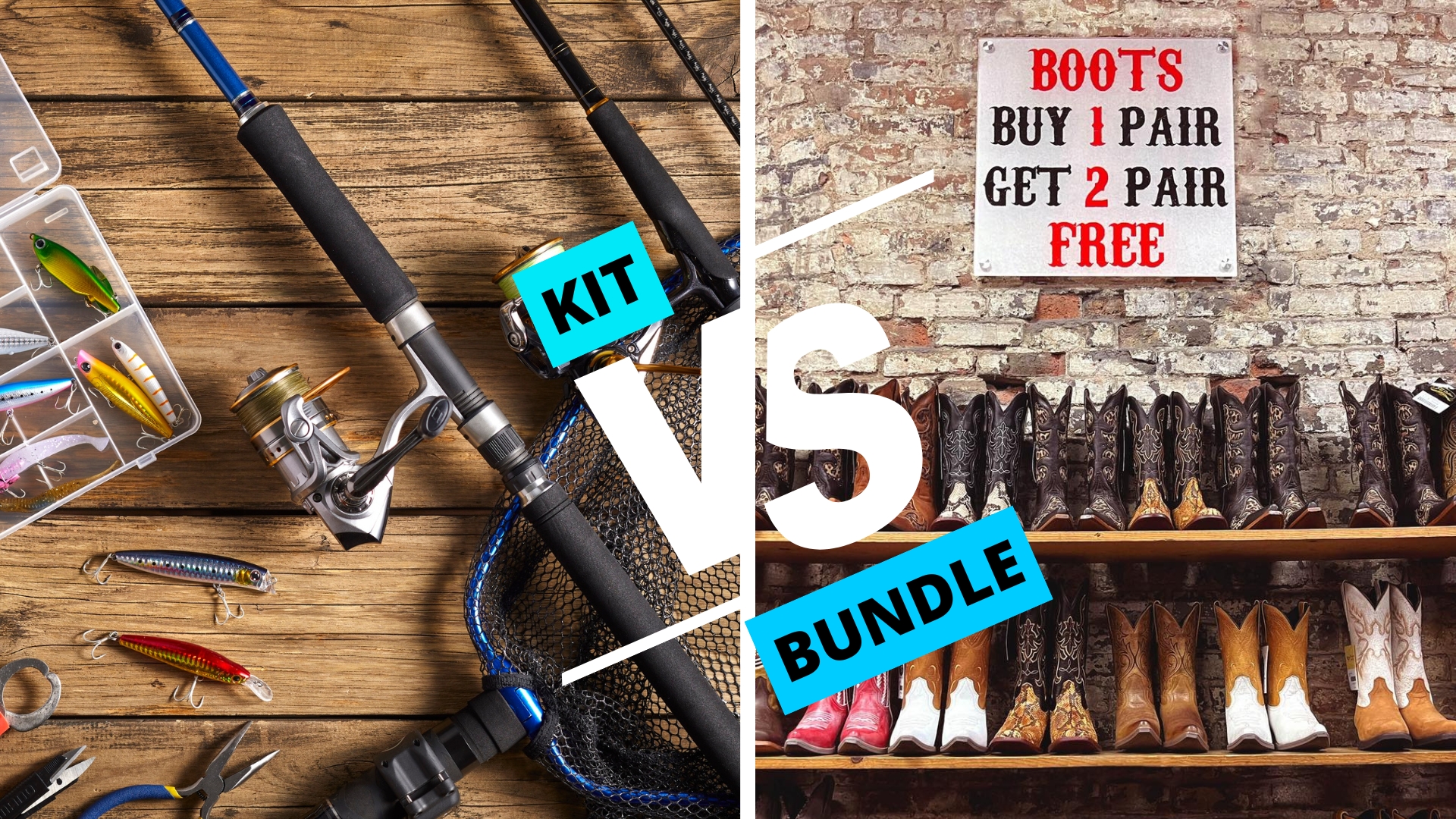
Most retailers reach a point where they wonder which setup is the better fit for a specific situation. Kits and bundles can look similar at first glance, but they serve different needs once you drill into inventory, pricing, and how your staff rings things up. A simple way to decide is to think about how tightly the items relate to each other and how long you plan to run the offer.
Kits make sense when the items belong together every time. If the products are always sold as a set or the combination affects how the store tracks inventory, a kit is usually the cleanest option. Retailers use kits for packaged sets, starter builds, repair work that mixes labor and parts, and any situation where the completed item is treated as one product in the system. Stratus Enterprise handles this well because the kit structure keeps the ‘ingredients’ organized and ensures inventory updates correctly with a single checkout scan.
Examples where you want to use a kit:
Bundles are better when you want flexibility. Since a bundle is promotional rather than structural, you can run it for a weekend, a season, or as part of an upsell campaign without affecting your core product setup. Bundles shine during big sale periods, when shoppers can mix and match deals, or when they can choose from multiple variations within the offer. They support higher-order values without forcing everything into one master SKU.
Examples when you want to use a bundle:
Both tools can help drive sales, but the right choice depends on the goal. Kits solve operational needs. Bundles solve promotional needs. Once your store knows the difference, planning becomes a lot easier.
If you are unsure which setup fits your scenario, start by reviewing how often the items are sold together. If the combination repeats consistently with very little variation, a kit usually saves time and reduces errors. If the grouping changes from season to season or depends on shopper preference, a bundle keeps your team agile without locking anything into your catalog.
Kits and product bundles do more than simplify in-store selling. They can strengthen the online shopping experience and help retailers boost sales with minimal effort.
Here is how they help your eCommerce store work smarter:
Bundles work well for promotions because you can highlight a curated mix of items together. This helps shoppers discover products they might not have found on their own.
This is especially important for retailers selling outdoor gear, footwear, apparel, tactical equipment, or specialty items that naturally pair together.
This helps shoppers navigate more easily and gives you fresh content for email, social, and in-store signage
When creating kits or bundles, look at your recent sales history. Identify the products that shoppers frequently buy together and start there. Real data builds real results and helps you avoid pairing items that do not naturally move as a set.
Once you understand how kits and bundles work, the next step is making sure they’re set up in a way that keeps your team efficient and your reporting clean. These best practices are handy for retailers who use Stratus Enterprise daily and want their product setup to stay simple, accurate, and profitable.
Retailers who package products thoughtfully see stronger margins, smoother operations, and happier customers. Kits simplify complex sales and keep inventory accurate. Bundles help boost the cart value without changing your core product structure. Stratus Enterprise gives you the tools to manage both in a way that fits your business, your staff, and the way you sell across channels.
If you want to see how these workflows look inside Stratus Enterprise or want help deciding when to use a kit and when to use a bundle, our team can walk you through it.