Blog
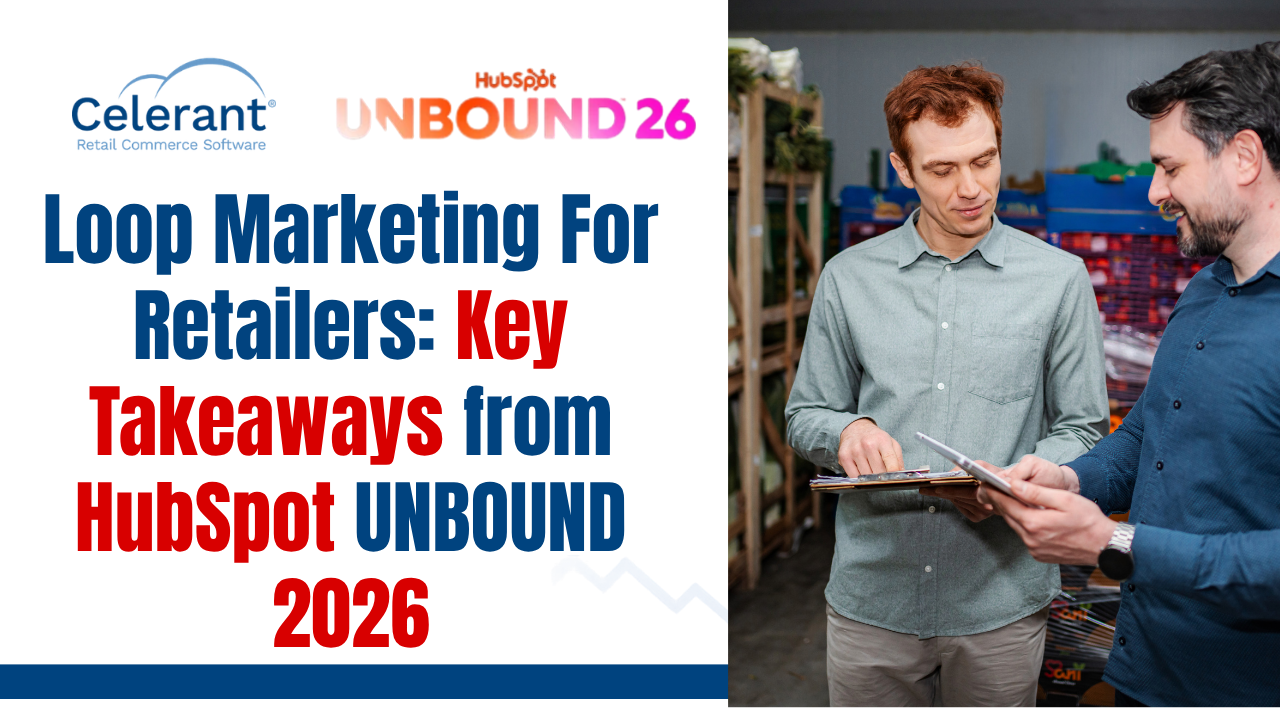
Loop Marketing For Retailers: Key Takeaways from HubSpot UNBOUND 2026
September 28, 2026 / 10 minute read / By Muneeza Shahid
Artificial Intelligence, Digital Marketing, General
Blog
Marketing used to follow a straight path. Businesses planned a campaign, launched it, and measured the results. But that approach is now changing. At HubSpot’s UNBOUND 2026 conference in Boston, one idea clearly stood out: marketing is no longer a straight line. It is becoming a loop.
The growing adoption of AI in day-to-day life is changing how people search for products, compare businesses, and make purchases. This changing behavior matters a great deal to retailers. Customers may discover a store on social media, ask an AI tool for recommendations, and read reviews before walking into a store or placing an order online.
Retailers need to keep up with the changing customer journey and that’s where connected customer data becomes critical to understanding what shoppers want.
In this blog, we’ll cover:
Loop marketing can be defined as a continuous marketing approach. For example, after launching a campaign, businesses can measure results, learn from the data, and make adjustments where necessary.
HubSpot offers a four-stage framework for loop marketing:
Customer behavior can vary between stores, and one location may have different customer needs from another. Using HubSpot’s four-stage loop marketing framework can help multi-location retailers adapt their marketing accordingly.

Search is no longer limited to traditional search engines. Social media has evolved into a major discovery channel, allowing customers to search for products, research brands, and read reviews without visiting a retailer’s website.
Similarly, AI tools are also changing the search process. Customers can ask questions in natural language and compare products and retail stores in a single conversation. This means the customer journey today may look something like the table below, creating a challenge for retailers.
| Stage | Common Touchpoints |
|---|---|
| Awareness | Search engines, AI tools, social media |
| Consideration | Reviews, blogs, product comparisons |
| Evaluation | Product pages, pricing, availability |
| Decision | Store visits, calls, online purchases |
As customers continue to interact across multiple channels, retailers need a way to keep those interactions connected. This is where Celerant Customer Engagement Suite (CES) can help.
It brings several engagement tools into one platform, including emails, SMS, social media, live chat, and reputation management. CES also connects with retail data from POS and eCommerce systems, giving retailers more context when engaging with customers.
Answer Engine Optimization (AEO) focuses on improving a brand’s visibility in AI-powered search. Just as traditional SEO helps businesses appear in the search engine results, AEO considers how AI tools discover and use information. Retailers can support AEO by answering common customer questions relevant to their industry.
A simple content creation process may include:
For example, a bike retailer could answer questions about choosing a first mountain bike on their website. A customer may either find that content through a Google search, or encounter it through an AI tool. However, the goal is simple: give customers useful information when they need it.
Customer loyalty can become harder to manage as a retailer grows. A customer may shop at several locations, including through the retailer’s website. But to ensure their experience remains consistent across all sales channels, retailers need connected customer information.
Centralized information helps retailers recognize customers across different locations, and use relevant purchase history and loyalty information in their marketing campaigns. In short, it supports retailers with:
A customer management tool like Celerant’s CES can help retailers use customer and purchase data from connected retail systems to create more targeted campaigns. It also reduces the need to manage customer information across separate systems.
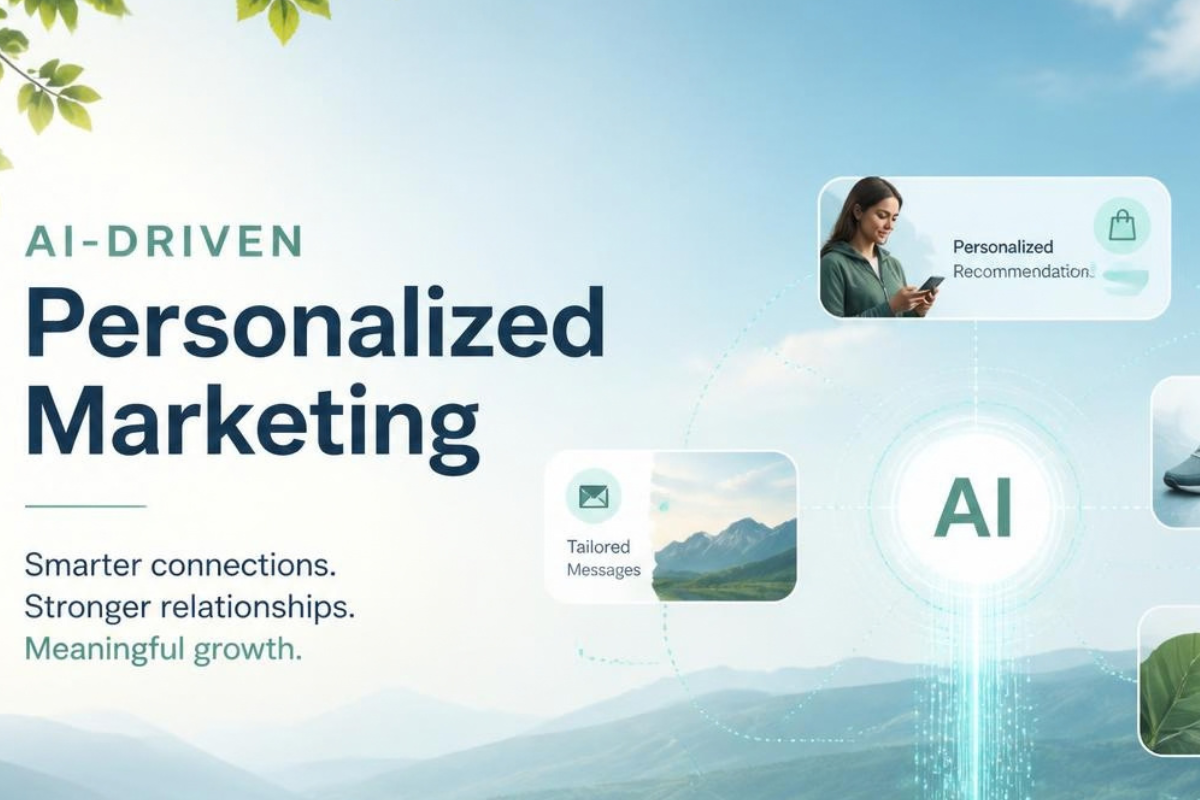
Personalized marketing can take up a lot of time, as teams need to review customer data before creating separate campaigns for different audiences.
Retailers already have useful customer information, including purchase history, loyalty activity, customer profiles, and product interests. Connected retail systems make this information easier to use.
AI can help automate parts of this process by analyzing the available data. It can also help create personalized marketing content for campaigns. However, the quality of the result depends on the data.
A Customer engagement tool like Celerant’s CES helps retailers create personalized email and SMS campaigns using connected POS and eCommerce data. It also allows retailers to add products, prices, and images from their catalog. This reduces manual work and makes it easier for retailers to create relevant campaigns as the business grows.
But keep in mind that AI does not replace human review. Retailers still need to check the content to make sure it matches their brand tone and customer expectations.

Retailers don’t need to panic and change everything at once. In fact, they can start with a few practical steps:
Remember that the right marketing strategy, combined with the right technology, can make a huge difference. Fragmented retail systems not only make customer data difficult to understand but also make it harder to create personalized campaigns using that data.
A unified retail platform connects key business data, giving retailers a strong foundation for modern marketing strategies, including loop marketing.
Interested in integrating a modern retail solution with an AI-enabled customer engagement suite to create personalized marketing campaigns?
What is loop marketing?
Loop marketing is a continuous approach to reaching and engaging customers. Businesses launch campaigns, review the results, and make changes based on what they learn. HubSpot’s loop marketing framework includes four stages: Express, Tailor, Amplify, and Evolve.
What is AEO?
AEO stands for Answer Engine Optimization. It focuses on creating content that AI-powered tools can understand and cite when answering customer questions.
How is AEO different from SEO?
SEO focuses on visibility in traditional search results, whereas AEO considers AI-powered search and answer engines, including ChatGPT, Gemini, Claude etc. Both can help customers discover a retailer online.
Can AI help retailers personalize marketing?
Yes. AI can help retailers analyze customer data and create personalized marketing content. However, human review is still important. Retailers should check the content before sending it to customers.
Can retail software support email and SMS marketing?
Some retail platforms include customer engagement tools alongside POS and eCommerce capabilities. Celerant’s Customer Engagement Suite (CES) supports email, SMS, social media, live chat, and reputation management. It also connects these activities with POS and eCommerce data.
Why is connected customer data important?
Connected customer data gives retailers a clearer view of the entire customer journey. This makes it easier to create personalized marketing campaigns and recommend specific products to specific customer groups. For retailers with multiple stores and sales channels, this can help create more relevant customer experiences and marketing campaigns.